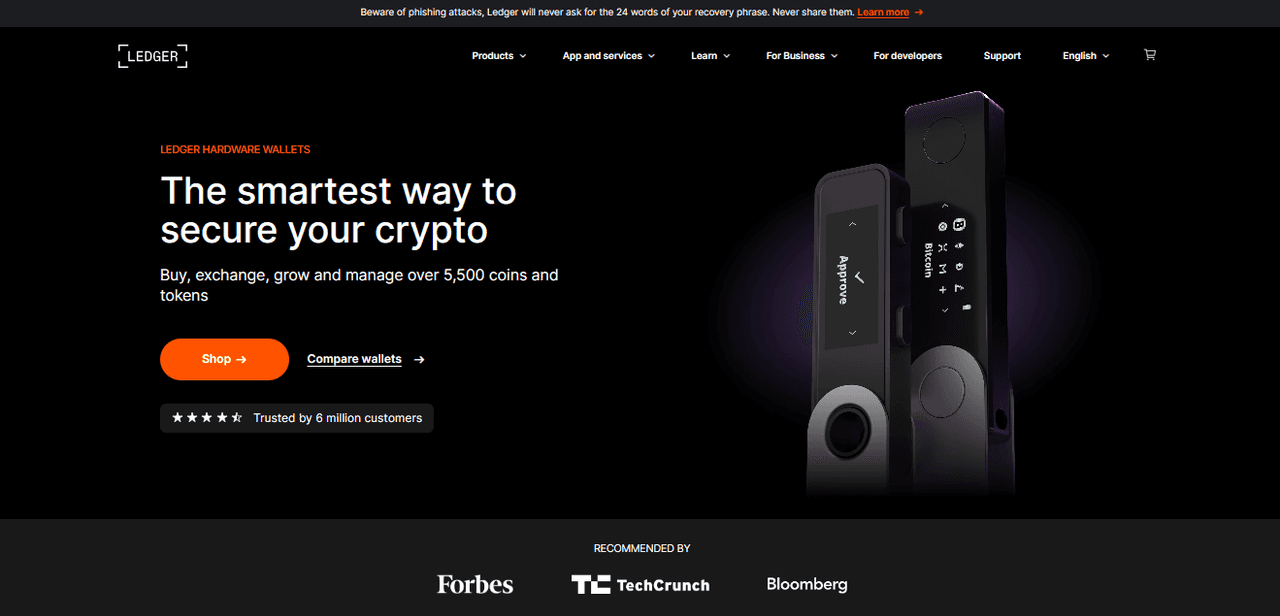
Ledger.com/start: Step-by-Step Guide to Setting Up Your Ledger Wallet
Cryptocurrency security is vital for anyone holding digital assets. Ledger hardware wallets provide a secure offline storage solution, while Ledger Live is the official software for managing your crypto. Ledger.com/start is the official starting point for initializing your Ledger wallet, installing Ledger Live, and securing your assets.
This guide provides a complete walkthrough of Ledger.com/start, including setup, security measures, troubleshooting, and advanced features.
What Is Ledger.com/start?
Ledger.com/start is the official onboarding page for Ledger hardware wallets. Its main purposes include:
Providing official downloads of Ledger Live
Guiding users through device initialization and setup
Offering step-by-step instructions for installing cryptocurrency apps
Providing security recommendations and recovery guidance
Supporting both desktop and mobile users
Using Ledger.com/start ensures that you are downloading authentic software and following verified instructions, minimizing the risk of phishing or counterfeit products.
Supported Ledger Devices
Ledger currently offers two primary wallet models:
Ledger Nano S Plus – A beginner-friendly device supporting multiple cryptocurrencies.
Ledger Nano X – A premium device with Bluetooth, expanded storage, and advanced features.
Ledger.com/start provides device-specific instructions to ensure proper setup for both models.
Step 1: Access Ledger.com/start Securely
Before starting:
Open a secure browser and navigate directly to Ledger.com/start.
Ensure your internet connection is private and secure.
Avoid using links from emails, social media, or unknown websites.
Security Tip: Always download Ledger Live and instructions from Ledger.com/start to prevent phishing attacks.
Step 2: Download Ledger Live
Ledger Live is the official application for managing your Ledger wallet. Its features include:
Viewing cryptocurrency balances and transaction history
Sending and receiving cryptocurrencies securely
Managing multiple accounts
Installing apps for different cryptocurrencies
Tracking portfolio performance
Supported Platforms:
Desktop: Windows, macOS, Linux
Mobile: Android, iOS
Ledger.com/start provides verified download links for all supported platforms.
Step 3: Connect Your Ledger Device
Once Ledger Live is installed:
Connect your Ledger wallet via USB (Nano S Plus) or USB/Bluetooth (Nano X).
Unlock the device using your PIN code.
Ledger Live will detect the device and display all accounts.
Ledger.com/start includes instructions to verify your device’s authenticity before use.
Step 4: Initialize Your Ledger Wallet
During setup, you can:
Create a New Wallet: Generates a 24-word recovery phrase for backup and security.
Restore an Existing Wallet: Recover a wallet using a previously saved recovery phrase.
Recovery Phrase Security Tips:
Write it down on the provided card; do not store it digitally.
Keep it in a safe, offline location.
Anyone with access to the recovery phrase can control your funds.
Ledger.com/start emphasizes careful handling of your recovery phrase.
Step 5: Set a PIN Code
A PIN code adds an extra layer of security:
Entered directly on your Ledger device
Prevents unauthorized access if the device is lost or stolen
Can be updated later using Ledger Live
Choose a strong, memorable PIN.
Step 6: Install Cryptocurrency Apps
Ledger supports hundreds of cryptocurrencies. To manage them:
Open Ledger Live and go to the Manager tab.
Install apps for the cryptocurrencies you want to use.
Create separate accounts for each asset within Ledger Live.
Ledger.com/start provides detailed instructions for installing apps securely.
Step 7: Sending and Receiving Cryptocurrency
Receiving Crypto
Select the account for the cryptocurrency you want to receive.
Click “Receive” in Ledger Live.
Verify the wallet address on your Ledger device before sharing it.
Sending Crypto
Select the account to send funds from.
Enter the recipient address and amount in Ledger Live.
Confirm the transaction directly on your Ledger device.
This ensures all transactions are verified and secure.
Step 8: Security Best Practices
Never share your recovery phrase with anyone.
Store your recovery phrase offline in a secure location.
Regularly update Ledger Live and your device firmware.
Avoid using public or shared computers for Ledger Live.
Always verify transaction details on the Ledger device screen.
Following these practices ensures maximum security for your assets.
Step 9: Advanced Features
Ledger Live provides additional functionalities:
Staking: Participate in staking programs for supported cryptocurrencies.
DeFi & Web3 Access: Safely interact with decentralized applications.
NFT Management: Send, receive, and store NFTs securely.
Portfolio Tracking: Monitor balances and historical transactions across multiple assets.
Ledger.com/start provides guidance for using these advanced features safely.
Troubleshooting Common Issues
Device Not Recognized
Check USB or Bluetooth connections.
Unlock the device using the correct PIN.
Restart Ledger Live.
Ledger Live Not Opening
Verify operating system compatibility.
Install the latest version from Ledger.com/start.
Accounts Not Displaying
Refresh Ledger Live.
Ensure the necessary cryptocurrency apps are installed on your Ledger device.
Why Ledger.com/start Matters
Ledger.com/start is essential because it:
Provides official Ledger software to avoid phishing or fake applications
Offers step-by-step setup instructions
Confirms device authenticity
Supports all Ledger wallet models and cryptocurrencies
Starting your setup through Ledger.com/start ensures a secure and verified onboarding process.
Conclusion
Ledger.com/start is the official starting point for securely setting up and managing your Ledger hardware wallet. By following the instructions, installing Ledger Live from the official portal, and adhering to security best practices, you can safely send, receive, and manage cryptocurrencies.